
If you want everything an Oura Ring does with no monthly fee, the honest answer is that no single device replaces it — the ring's whole value is 24/7 sleep and recovery tracking, and the no-subscription option that comes closest is the RingConn Gen 3 ($349), with the Samsung Galaxy Ring if you're on Android.
But before you buy any of them, it's worth asking a question almost nobody asks: what are you actually going to do with the data?
Most people buy a recovery tracker to work better. Then they discover the device has nothing to say about their working day — it tracks the eight hours they were asleep and the hour they were at the gym, and stays silent through the nine hours that actually determine their output. That gap is the reason we built something different, and we'll get to it below. First, the rings.

Why everyone's looking for an alternative
The objection isn't coming from cranks. It's in the reviews that recommend the products.
TechRadar's Oura Ring 4 review — which concludes "I loved using it, and will continue to do so" — still marks it down to 3/5 on value, and puts the reason plainly:
"It smarts to pay a premium for the device, only to then have to keep paying in order to access your own data."
CNET gave the Oura Ring 5 an Editors' Choice award in July 2026 and still listed "Requires a $6 monthly subscription to unlock its best features" under Cons.
Oura's own help pages are refreshingly direct about exactly where the line falls:
"Without an active membership, you'll only be able to see your three daily Oura scores (Readiness, Activity, and Sleep), ring battery, basic profile information, app settings, and the Explore content. Without an active membership, you cannot access the Oura API."
CNET's Apple Watch comparison puts the same split more plainly:
"Without it, you'll still see the headline scores, but much of the context – the 'why' behind those numbers – lives behind a paywall. Apple, by contrast, doesn't charge a subscription for any of its health data."
A six-month long-term review coined the phrase that probably describes what brought you here: "it's the subscription creep I don't like."
Whoop draws the line even harder. On the $199 One tier you get a wired charger; the wireless PowerPack that CNET's reviewer called "essential to Whoop's overall ease of use and experience" requires the $239 Peak tier.
With Whoop the arrangement is starker still. There is no hardware price at all — the device is bundled into the membership, so you are renting the whole thing. TechRadar's Whoop MG review, which scored it 2/5 on value, puts the consequence in one sentence:
"Stop paying at any tier level, and your Whoop reverts to an inert hunk of plastic at the end of your membership."
We checked Whoop's own Terms of Use to be precise about this, and the reality is subtler than "they take it back." You keep the physical device — the only mandatory return is if you cancel during the free trial, which carries a $110 restocking fee if you don't send it back within 14 days. What ends is everything that made it work. In Whoop's own words:
"Upon termination of your Membership, all licenses granted to you under this Agreement shall terminate automatically, your right to use the Services shall cease and Your Content… will no longer be available to you through the Services."
You may request a copy of your data. The strap on your wrist keeps working as a strap.
Two more things worth knowing, both from the same document: membership fees are non-refundable, "even if you stop using the Services," and cancelling mid-term doesn't stop the clock — you keep access until the term expires and get no prorated refund.
And people are voting with genuinely absurd behaviour. In February 2026 TechRadar reported that Redditors had found Whoop 4.0 bands on clearance at T.J. Maxx for $39 and were buying them purely to farm the free 12 months of Peak membership each one carried — $239 of subscription for $39 of hardware they didn't need. TechRadar noted the obvious e-waste problem. When your pricing makes buying disposable hardware the rational move, the pricing is the problem.
The sharpest episode came in May 2025. Whoop had promised, in a blog post it later deleted, that members of six months or more would get next-generation hardware free. At the 5.0 launch it instead asked for a $49 upgrade fee. A post on r/whoop titled "Upvote this if you just canceled your subscription" collected 2,400 upvotes. Whoop's public response, via Bloomberg, was that "like any company, we from time to time update our commercial policies." Within about 48 hours it reversed and granted free upgrades to members with more than twelve months remaining.
Credit where it's due — they fixed it fast. But the episode is the clearest illustration of the underlying deal: in a subscription relationship, the terms are theirs to rewrite.
The pattern is consistent: people don't object to paying for hardware. They object to hardware that stops being fully theirs the moment they stop paying.
What three years actually costs
Sticker price is the wrong number. Here's hardware plus 36 months of subscription, using annual billing where a discount exists — the charitable reading for the subscription products.
3-Year Cost Comparison

| Device | 3-year total | Own the hardware after? |
|---|---|---|
| Whoop Life | $1,077 | Keep device, lose everything |
| Whoop Peak | $717 | Keep device, lose everything |
| Muse S Athena + Premium | $624.96 | Yes |
| Oura Ring 5 | $608.97 | Yes — 3 scores remain, detail + API go dark |
| Garmin Venu 4 | $549.99 | Yes |
| Fitbit Charge 6 + Premium | $459.95 | Yes |
| Samsung Galaxy Ring | $399.99 | Yes |
| Apple Watch Series 11 | $399 | Yes |
| RingConn Gen 3 | $349 | Yes |
| Ultrahuman Ring Air | $349 | Yes |
| Pixl Nub (VIP) | $200 | Yes — yours forever |
Note: Some prices marked with [$] in the original draft are unverified at source. Figures shown are based on published retail prices and vendor marketing materials as of August 2026.
Two things stand out.
Every device in this table over $400 has a subscription. The no-subscription options — Samsung, RingConn, Ultrahuman, Apple, Garmin — cluster at the bottom. Paying monthly does not buy you better hardware; it buys the vendor a better business model.
Whoop Life costs $1,077 over three years and you finish owning nothing. Oura at least leaves you a ring, though cancelling reduces it to three summary scores — the underlying detail and the API stop being yours.
The no-subscription alternatives
Five genuine options, in the order most people should consider them.
RingConn Gen 3 — $349
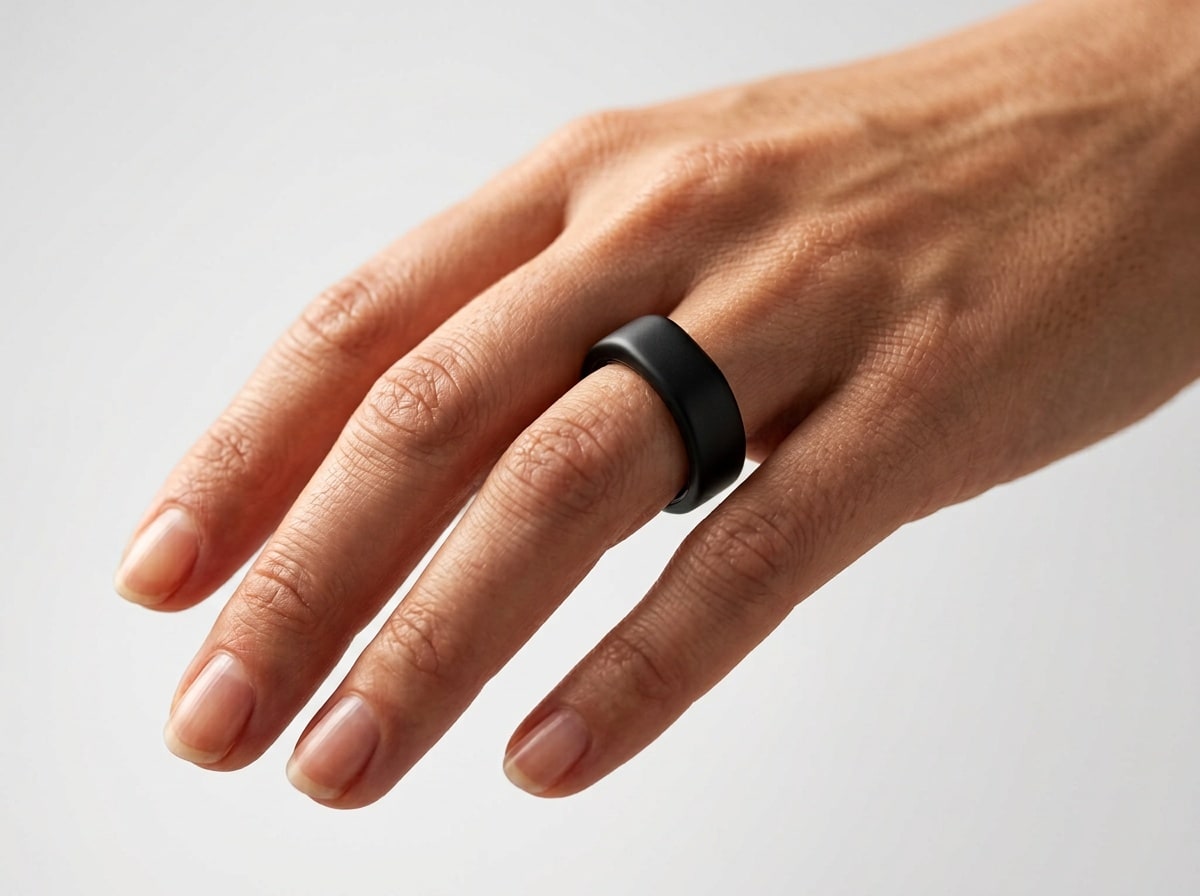
The closest thing to an Oura with no monthly fee. Sleep tracking with apnea detection, SpO2, heart rate, HRV, stress, skin temperature, steps, and vascular health insights. Officially 14 days of battery, and the charging case runs about 150 days off mains — so in practice you almost never think about charging it.
RingConn's own comparison page states "Subscription Fee: No" across its range, and it runs the same argument we do — one of its comparison columns simply reads "Some brands require subscription." It's also FSA/HSA eligible.
There are cheaper SKUs if the Gen 3 is more than you need: Gen 2 at $299 (12 days) and Gen 2 Air at $199 (10 days), both subscription-free. The Gen 2 Air is the cheapest credible sleep-tracking ring in this comparison by some margin.
⚠️ At last check all three SKUs showed out of stock on RingConn's US store — worth re-checking before pointing readers there.
What you give up: Oura's software is more polished and its insight layer is better written. RingConn's app is competent rather than delightful, and its illness-detection story isn't in the same league as Oura's Symptom Radar, which is the feature Oura owners rave about most.
Buy it if: you want the ring form factor and the overnight data, and the subscription is your only real objection. This is the straightforward answer to the question in this page's title.
Samsung Galaxy Ring — $399.99
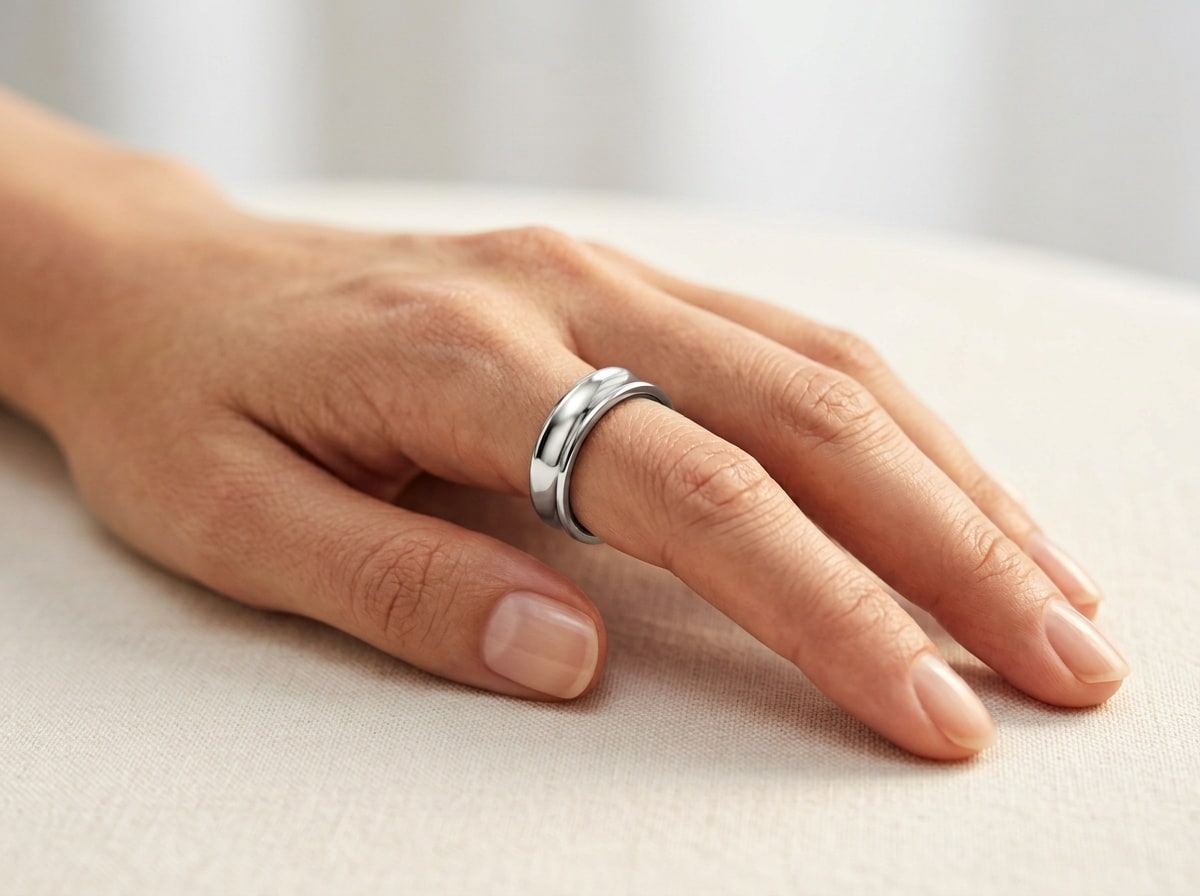
The best option if you're already in Samsung's world. Sleep stages, heart rate, SpO2, skin temperature, steps, automatic workout detection, and an Energy Score with Galaxy AI insights. No subscription for any Samsung Health feature.
What you give up: Android only — there is no iPhone support at all. That single fact disqualifies it for a large share of readers, so check before you get attached. It's also at its best paired with a Galaxy phone or watch rather than standalone.
Worth knowing: Samsung's site advertises "from $299.99 before trade-in" and offers $150 instant trade-in credit. The actual list price is $399.99 — the lower figure assumes you're trading something in. If you have an old wearable lying in a drawer, the real cost is lower than the table suggests.
Buy it if: you're on a Galaxy phone. If you're on iPhone, skip to RingConn.
Apple Watch Series 11 — $399
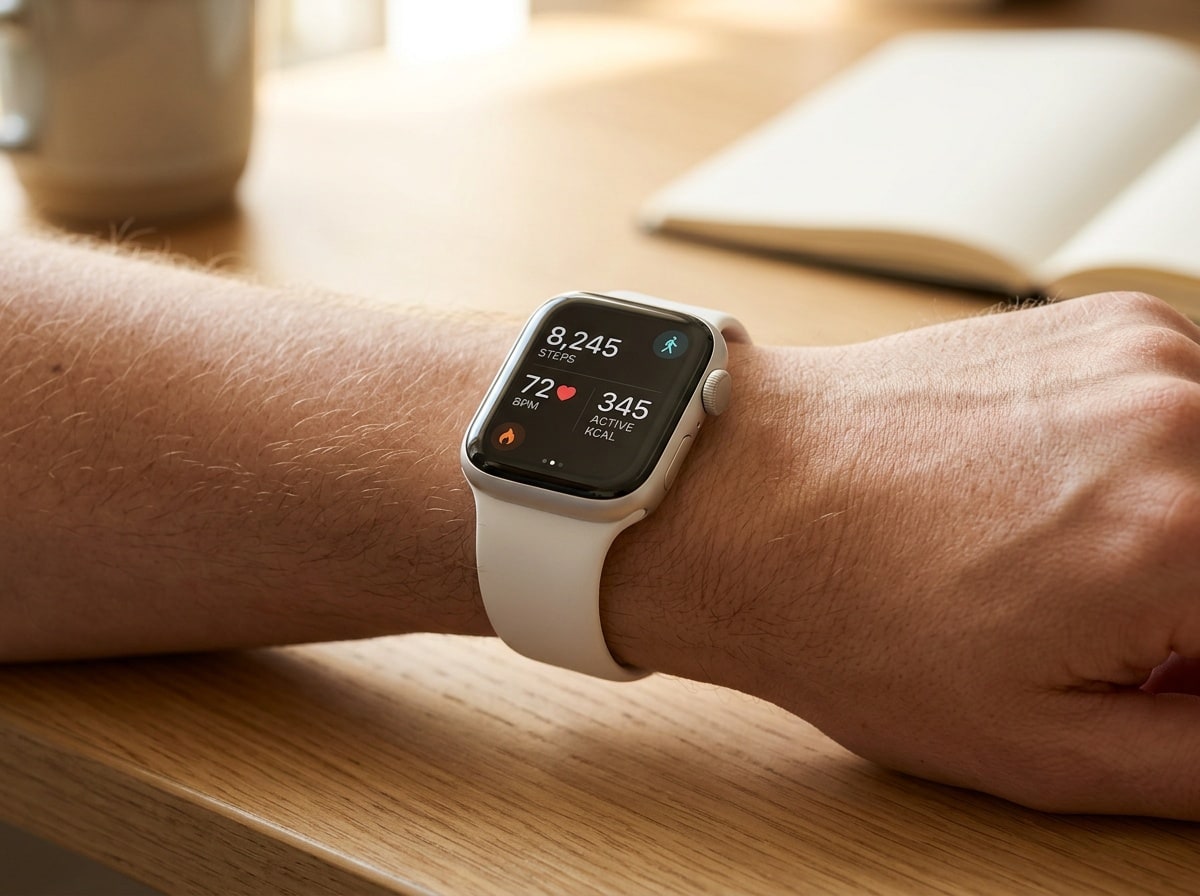
The strongest no-subscription argument in this entire comparison, and we should say so plainly. Heart rate, HRV, ECG, SpO2, sleep stages, sleep apnea notifications, hypertension notifications, wrist temperature, workouts, GPS. Not one health metric is behind a paywall. Apple Fitness+ exists but it's guided workout video content, not your data.
Worth clearing up a common confusion: Apple's Focus modes are not focus tracking. They're a notification filter. They silence interruptions; they don't measure them, count them, or tell you what they cost you.
What you give up: you charge it every single day, and it's a watch — a screen on your wrist, which is the thing some people are specifically trying to get away from. Sleep tracking on a device that needs nightly charging is a genuine scheduling problem.
Buy it if: you have an iPhone and don't already own a recent Apple Watch. Honestly, for most iPhone users asking "what's a good tracker with no subscription," this is the answer — and if you already have one, you may not need to buy anything at all.
Garmin Venu 4 — $549.99
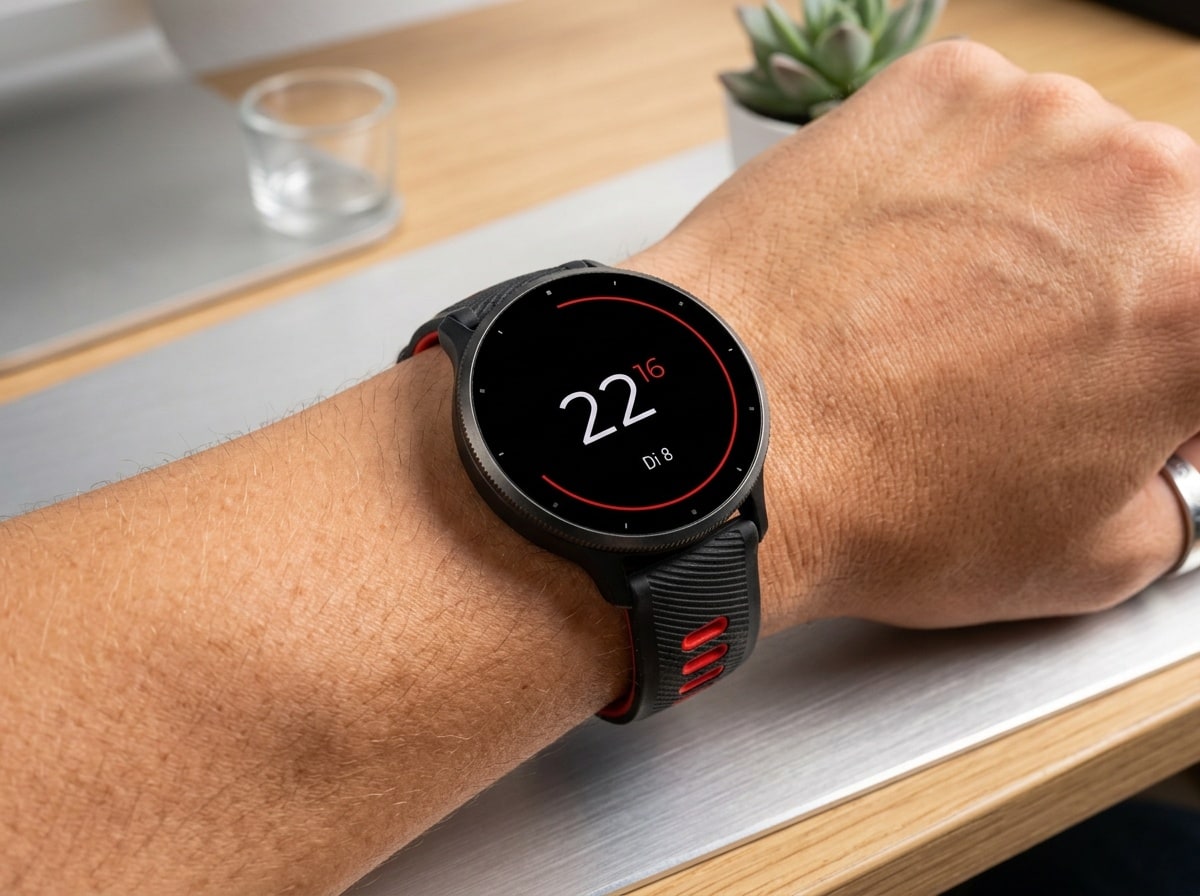
The most hardware you can buy without a mandatory subscription. Heart rate, HRV, ECG, SpO2, sleep and sleep coaching, Body Battery, stress, steps, GPS, respiration, training readiness. Around ten days of real-world battery. Garmin Connect+ exists as an optional extra, but core Connect is free and Garmin has publicly committed to keeping it that way.
Garmin also has the best data-export story here — FIT, CSV and GPX, no ad model, and it works offline.
What you give up: it's the most expensive hardware in the table, it's a chunky sports watch rather than a discreet object, and its centre of gravity is athletic training rather than general wellbeing.
Buy it if: you train seriously, want deep metrics, and want to own the thing outright with no recurring anything.
Ultrahuman Ring Air — $349 ⚠️
On paper the purest expression of the pay-once philosophy — Ultrahuman markets "lifelong access to your ring and your data," and core tracking genuinely has no subscription. Sleep, HRV, heart rate, skin temperature, SpO2, recovery, movement.
Two caveats, and the second is serious. First, a minority of optional "PowerPlug" add-ons (AFib detection, pregnancy) do carry small fees, so "no subscription" is nearly rather than perfectly true. Second — Oura won a patent case against Ultrahuman in October 2025 and Ultrahuman rings were barred from the US market. RingConn settled and is unaffected.
⚠️ US readers: confirm current availability before ordering anything. Ultrahuman Ring Air currently faces an import ban in the United States following a patent dispute with Oura.
Buy it if: you're outside the US and want the strongest no-subscription positioning in the category.
The honest summary of this section: on the specific question of "an Oura without the subscription," RingConn wins for most people and Apple wins for most iPhone owners. All five of these are good answers to that question.
None of them answers a different question, which is the one the next section is about.
What none of them do
Every device above measures your body. None of them measures your work.
This isn't a gap they've overlooked — it's what they're for. Look at the published feature lists. Whoop: Strain, Recovery, Sleep, VO2 max, Hormonal Insights, Healthspan, Stress Monitor, ECG. Oura: Sleep, Readiness, Activity, Daytime Stress, Resilience, Cycle Insights, Cardiovascular Age. Every one describes your night or your training.
Not one describes the eight hours in between.
Nothing there tracks how long you held a focus session, how many times you were interrupted, or how long it took to get back on task. Your ring records that you slept 7h12m and your recovery is 68%. It has no idea you were interrupted eleven times before lunch and never strung together more than nineteen minutes of uninterrupted work.
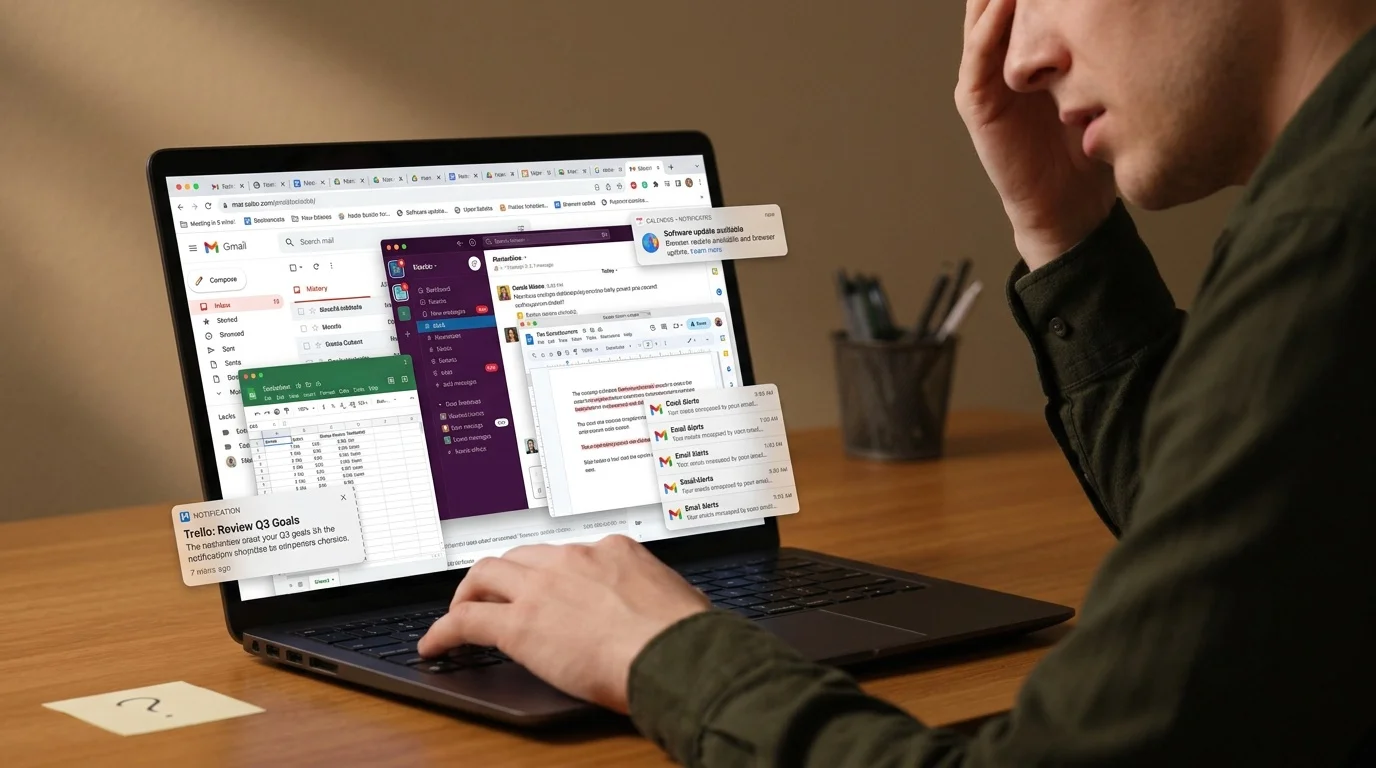
You can see how coarse the daytime model is from the reviews. CNET's reviewer, after months of wearing an Oura and an Apple Watch side by side, found that Oura "tracks activity too, but only barely":
"I get more activity credit for lugging laundry up my stairs or wrestling my kids into a sweater before we leave than for an actual session."
If a device can't reliably distinguish carrying laundry from a workout, it is not going to tell you anything about the shape of your working day.
Whoop is explicit about this by design. As WIRED put it: it "gives you zero brownie points for getting up and moving every hour." It's a training instrument that deliberately ignores the ordinary working day.
The nearest anyone comes is Oura's "Daytime Stress" and "Resilience" — but those are physiological arousal load, built partly from your overnight recovery. They tell you your nervous system is activated. They can't tell you whether that's a deadline, a coffee, or a flight of stairs, and they say nothing about what you got done.
One honest exception: Muse S Athena. It uses EEG and fNIRS to detect mind-wandering, and it markets on the same research about how long refocusing takes. It genuinely measures attention. The difference is structural, not marketing: Muse is a headband you put on for a deliberate ten-minute training session. Nobody wears one through a nine-hour workday. Muse trains focus in the gym; we're trying to measure it in the game.
The people already solving this themselves
There's a tell in how far some owners will go to get their own data out.
In June 2026 a Whoop user, Kabir Khalil, released an open-source app that reads Whoop data with no subscription, no cloud and no account. His reason, as reported by TechRadar:
"I built it for one reason. To read my own data, off a strap I own, on a machine I control, without it living in someone else's cloud. That's the whole idea."
The thread was full of people saying they wanted the same thing. TechRadar noted Whoop "clearly won't be happy" and might lock third-party apps out — which is, of course, the argument making itself.
That instinct is the one we designed around from the start. Not as a feature, but as the default: your data is on the device, and there's nothing to cancel.
The honest part
Pixl Nub is not a ring, and it will not replace one.
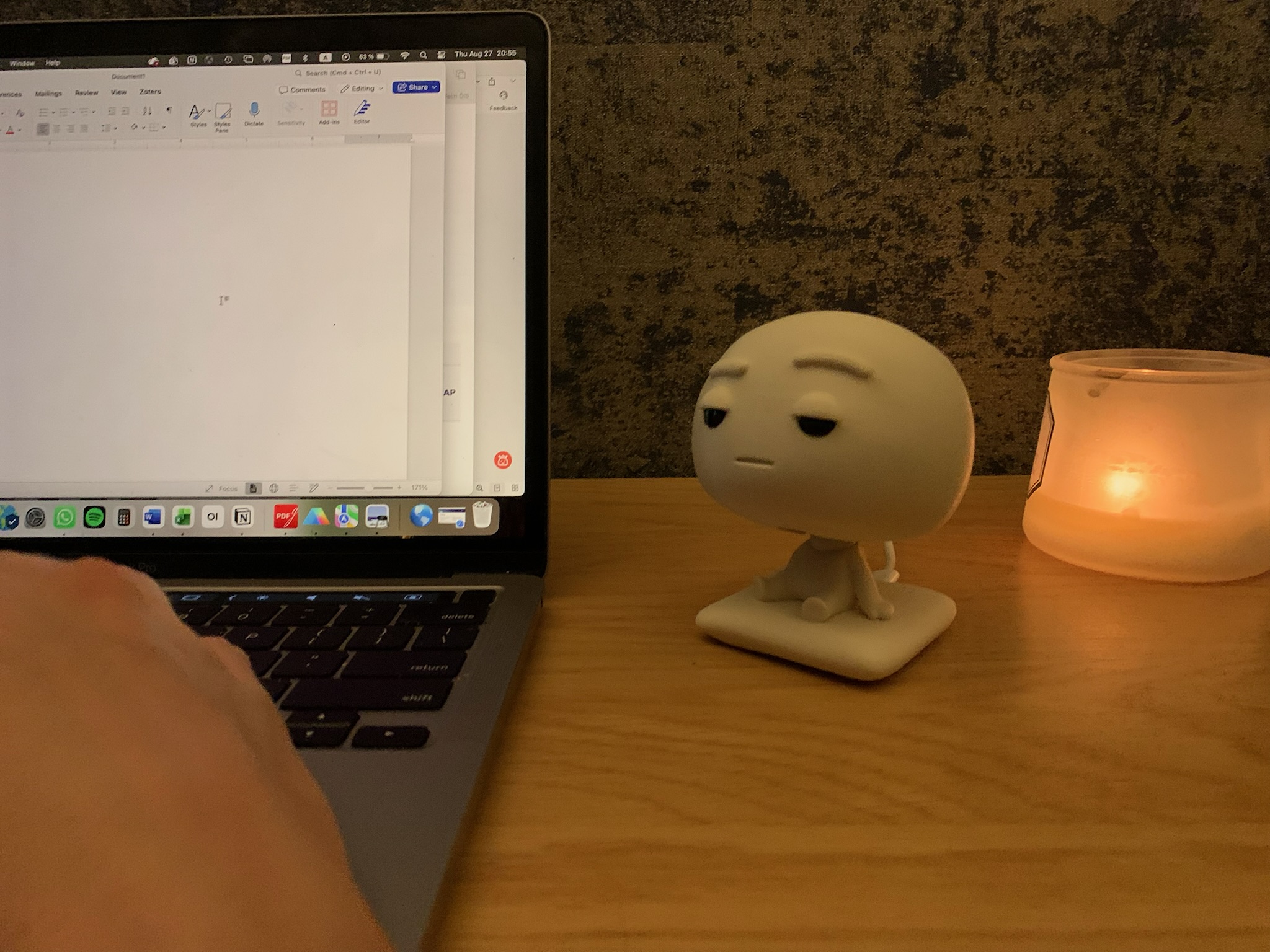
It sits on your desk and it only knows about the hours you're sitting there. It doesn't track your sleep. It doesn't follow you to the gym. It has no idea what your resting heart rate did overnight. If what you want is 24/7 recovery data, buy the Oura and pay the six dollars — this isn't the product for you, and we'd rather say so than take your deposit.
What it does instead: it watches the eight hours a ring ignores. Focus session length, interruption count, refocus time, and contactless heart rate and breathing while you're at the desk — from across the desk, with 60 GHz radar, no camera, no strap, nothing to charge or remember to wear.
We're also not the first people to think tracking shouldn't require wearing something. CNET's pick for the best non-wearable sleep tracker is a contactless under-mattress mat, for people who want the data "without worrying about wearing a watch or ring." Same instinct, different room.
You pay once. There's no subscription, and the data stays on the device.
The full comparison matrix
| Device | Price | Subscription | 3-yr total | Worn? | Battery | Measures focus? | Yours if cancelled? |
|---|---|---|---|---|---|---|---|
| Oura Ring 5 | $399/$499 | $5.99/mo · $69.99/yr | $608.97 | Finger | ~9 days | ✗ | 3 scores only; no API |
| Whoop Peak | $0 (bundled) | $239/yr | $717 | Wrist | 14+ days | ✗ | Keep device, lose services |
| Whoop Life | $0 (bundled) | $359/yr | $1,077 | Wrist | 14+ days | ✗ | Keep device, lose services |
| Garmin Venu 4 | $549.99 | Optional | $549.99 | Wrist | ~10 days | ✗ | ✓ fully |
| Fitbit Charge 6 | $159.95 | $10/mo optional | $459.95 | Wrist | ~7 days | ✗ | ✓ device; Premium locks |
| Samsung Galaxy Ring | $399.99 | None | $399.99 | Finger | ~7 days | ✗ | ✓ (Android only) |
| Apple Watch S11 | $399 | None | $399 | Wrist | ~24h | ✗ | ✓ fully |
| RingConn Gen 3 | $349 | None | $349 | Finger | 14 days | ✗ | ✓ fully |
| RingConn Gen 2 | $299 | None | $299 | Finger | 12 days | ✗ | ✓ fully |
| RingConn Gen 2 Air | $199 | None | $199 | Finger | 10 days | ✗ | ✓ fully |
| Ultrahuman Ring Air | $349 | None (add-ons paid) | $349 | Finger | ~4–6 days | ✗ | ✓ — but US-banned |
| Muse S Athena | $474.99 | $49.99/yr optional | $624.96 | Headband | ~10h | ~ session only | ✓ device; Premium locks |
| RescueTime | — | ~$6.50/mo | $234 | Software | — | Screen only | ✗ |
| Rize | — | $9.99/mo | $359.64 | Software | — | Screen only | ✗ |
| Timeular / Early | $69 | $7.50/mo | $339 | Desk object | Weeks | Self-report only | ✗ |
| Pixl Nub (VIP) | $200 | None | $200 | Not worn | Mains | ✓ the whole point | ✓ forever |
Prices sourced from vendor websites as of August 2026. Some listed prices may vary by region, configuration, or promotional period. Trade-in offers excluded unless noted.
Three things this table says.
Every device over $400 across three years has a subscription. The pay-once options cluster at the bottom — paying monthly doesn't buy better hardware, it buys the vendor a better business model.
The "measures focus" column is empty for everything except us, and that isn't an oversight on their part. Rings and watches are sleep-and-recovery instruments; RescueTime and Rize watch your screen, not your attention; Timeular records what you told it you were doing. Muse genuinely measures attention, but during a deliberate session with a band on your forehead.
And the last column is the one that stings over time. On Whoop you're renting; stop and you have nothing. On Oura you own the ring but rent the insight.
Who should buy what
- You want sleep and recovery data above all → an Oura or a Whoop. Pay the subscription; it's the best version of that product, and independent validation against ECG puts Oura's overnight heart-rate accuracy at the top of the field.
- You want sleep tracking without a subscription → RingConn Gen 3 ($349) wins this outright, or the Gen 2 Air at $199 if you want the cheapest way in. Samsung's Galaxy Ring ($399.99, less with trade-in) if you're on Android and in the Samsung ecosystem.
- You want to train your attention deliberately → Muse S Athena. It does something real that we don't.
- You already own an Apple Watch or a Garmin → you likely have enough. The marginal gain from a ring is smaller than the marketing implies.
- You keep buying trackers and never change anything → the problem isn't the sensor, it's that recovery data doesn't tell you what to do on Tuesday at 2pm.
- You want to know where your workday actually went → that's the gap, and it's what we built Nub for.
FAQ
Is there an Oura Ring dupe that works without a subscription?
The closest are the RingConn Gen 3 ($349) and the Samsung Galaxy Ring ($399.99). Both offer solid sleep tracking and vitals monitoring with absolutely no subscription. Ultrahuman Ring Air ($349) is similar but faces a US import ban following a patent dispute. None of them measures focus, distraction, or productivity — for that, you need something different.
Does the Oura Ring still work if I cancel my membership?
Yes — partially. Without a membership you keep seeing your three daily scores (Readiness, Activity, and Sleep), ring battery, and basic settings. Detailed data, the API, and all advanced features disappear. Your data is retained in the app and can be exported as CSV. Unlike Whoop (which bundles its hardware into the subscription), you always owned the Oura ring.
What's the cheapest smart ring with no subscription?
The RingConn Gen 2 Air at $199 is the lowest-priced sleep-tracking ring available today. The regular RingConn Gen 2 at $299 adds more sensors, and the flagship Gen 3 at $349 adds vascular health and haptic alerts. All three are subscription-free.
How much does Whoop cost per year?
Whoop has three tiers: One ($199/year), Peak ($239/year), and Life ($359/year). The device itself is included in the membership — there is no upfront hardware cost. However, cancelling the membership means losing all service access: the device becomes a strap with no analytics, no live data, and no app functionality. Membership fees are non-refundable even if you stop using the services.
Do any fitness trackers measure focus or productivity?
Essentially none. The entire wearable industry measures your body — sleep, heart rate, HRV, strain, recovery. Software tools like RescueTime and Rize measure your screen, not your attention. Timeular records what you tell it you were doing. Muse S Athena genuinely detects mind-wandering with EEG, but only during a deliberate headband-wearing training session, not across a working day.
Is a desk sensor more accurate than a wearable?
They measure different things, so neither is inherently "more accurate." Rings and watches measure overnight vitals very well — Oura's readings have been validated against polysomnography (the gold-standard sleep study). Nub measures desk-session vitals — focus sessions, interruptions, refocus time, and contactless heart rate/breathing while seated. Where Nub differs fundamentally is coverage: a ring covers when you're asleep; Nub covers when you're at your desk.
Does Pixl Nub track sleep?
No. Nub is designed exclusively for desk-session measurement. It doesn't track your nighttime sleep, your overnight heart rate, or your sleep stages. If sleep is your primary goal, buy a ring or watch instead.
Can I export my data from my wearable?
Oura lets you export CSV. Apple Health has strong export capabilities. Garmin exports FIT/GPX files. Most devices lock deeper analytics behind a subscription. With Nub, your data stays on the device entirely — no cloud requirement, no account needed, no export process required because you physically hold all of it.